
ASUU Agreement: FG begins implementation of 40% allowance increase for University lecturers
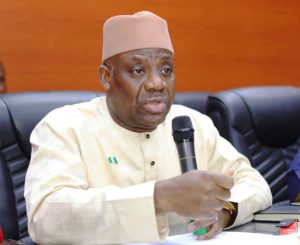
The federal government has commenced the implementation of key welfare components of its renegotiated agreement with the Academic Staff Union of Universities (ASUU).
The federal government on January 14 signed the renegotiated agreement with ASUU to address the recurring strikes in Nigeria’s public universities.
The new agreement follows intensive renegotiation between the government committee and leadership of ASUU, which was concluded in 2025.
In a statement on Monday, Dr.Maruf Olatunji Alausa, minister of education, said the federal government had fulfilled its obligation under the agreement by approving the 40 percent consolidated academic allowance (CAA) increase for ASUU members, with effect from January 1, 2026.
Alausa noted that some federal universities have already started reflecting the approved increment in their salary payments, adding that steps are being taken to ensure uniform implementation across all federal universities.
He said all vice-chancellors have been formally notified to fully cascade the allowance increase within their institutions and integrate it into their payroll systems so that all eligible academic staff benefit.
The minister also directed vice-chancellors to strictly comply with the implementation framework for the consolidated tools allowance (CATA), urging them to make judicious use of available resources to ensure prompt payment.
Alausa said that the CATA payment has already been captured and circularised by the National Salaries, Incomes and Wages Commission (NSIWC), adding that its inclusion in the 2026 budget followed a formal statutory process.
According to him, the timely implementation of both the CAA increase, and CATA would help strengthen the academic environment, boost staff morale, and improve outcomes in teaching, research and learning across Nigerian universities.
The minister reiterated the federal government’s commitment to honouring agreements reached with stakeholders in the education sector, while pledging continued engagement, transparency, industrial harmony and sustained efforts to improve the quality of education in the country.