
ASUU Strike: FG directs VCs to implement the “No Work, No Pay” policy, exempts CONUA, NAMDA
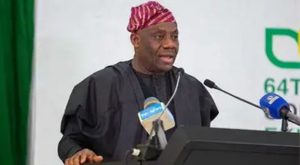
The Federal Government has directed Vice-Chancellors of all federal universities to immediately implement the “No Work, No Pay” policy against academic staff participating in the ongoing strike action declared by the Academic Staff Union of Universities (ASUU).
In a circular issued from the Office of the Honourable Minister of Education, Dr. Tunji Alausa, the Ministry expressed disappointment over the continued industrial action by ASUU despite repeated appeals for dialogue and resolution of outstanding issues affecting the tertiary education sector.
The directive, with reference number HME/FME/CORR.GEN./VOL.4/15, mandates all Vice-Chancellors to strictly apply the provisions of the Labour Laws of the Federation, emphasizing that no employee should receive remuneration for duties not performed during the strike period.
“To ensure strict compliance, the Education Ministry outlined a series of immediate actions for university heads. Vice-Chancellors have been instructed to conduct a physical headcount and roll call of all academic staff, prepare a comprehensive report identifying those actively performing their duties and those absent, and ensure that salaries are withheld for staff who fail to work during the strike period,” the circular read.
However, not all academic staff will be affected, Dr. Alausa clarified, adding that members of the Congress of University Academics (CONUA) and the National Association of Medical and Dental Academics (NAMDA)—two groups not participating in the strike—will be exempted from any salary deductions.
The circular further directed the National Universities Commission (NUC) to monitor compliance and submit a consolidated report to the Ministry within seven days.
This move, the government says, is part of efforts to restore accountability and discipline within the university system.
Dr. Alausa, in his concluding remarks, urged Vice-Chancellors to handle the directive “with utmost urgency and a deep sense of responsibility in national interest,” emphasizing the need to safeguard the stability and integrity of the country’s higher education sector.
The latest development marks another critical turn in the long-standing struggle over funding, working conditions, and the future of public universities in Nigeria.