
Nigeria Launches Strategies To Become West Africa’s Air Cargo, Logistics Powerhouse
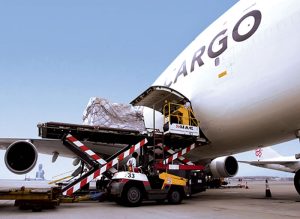
The Federal Government has launched strategies to position Nigeria for a larger share of the fast-growing air cargo, logistics and related value chain, estimated to exceed $12 billion within the next five years.
Critical areas in the ecosystem being targeted include the export of agricultural produce, e-commerce logistics, and the shipment of manufactured goods by air.
To actualize this, government agencies such as the Federal Airports Authority of Nigeria (FAAN), Nigeria Customs Service (NCS), Standards Organisation of Nigeria (SON), NAFDAC, state governments with airports, and other trade-facilitation bodies are collaborating on new templates to boost cargo, courier, and logistics operations nationwide.
The FAAN Managing Director and Chief Executive, Mrs. Olubunmi Kuku speaking in an interview, said the administration is pursuing multiple initiatives aimed at transforming Nigeria into a dominant cargo hub and a key gateway linking Africa to global trade.
“This is our commitment: to ensure Nigeria is not just a point on the global cargo map, but the strategic gateway connecting Africa to the world,” she said.
Kuku disclosed that FAAN’s newly established Directorate of Cargo Development Services (DCDS) has begun extensive engagement with stakeholders to drive this agenda.
She highlighted that FAAN is committed to providing the policies, infrastructure and political will needed to build a thriving cargo ecosystem, but harped on the need for broad collaboration.
“We must tackle bottlenecks, upgrade our facilities, improve service quality and build seamless systems that support cargo flow in and out of the country.
“With partnership, innovation and commitment, Nigeria can become the air cargo powerhouse of West and Central Africa,” she said.
She highlighted the sector’s vast potential, especially for farmers, manufacturers, exporters, pharmaceutical handlers, courier operators and e-commerce players, calling the air cargo industry an “essential artery of global trade.” She acknowledged past underperformance due to inadequate facilities and delays but said: “That changes today.”
On his part, the Chief Executive Officer of Caverton Offshore Support Group, Mr. Bode Makanjuola, posited that Nigeria could unlock significant cargo value if industry operators commit to a disciplined, collaborative value chain anchored on shared data and national coordination.
Makanjuola described the current policy climate as an unprecedented moment of alignment, driven by rising African air freight demand and Nigeria’s growing role as a major import gateway with increasing export potential.
He related the renewed momentum to the five-point agenda of the Minister of Aviation and Aerospace Development, Festus Keyamo, which focuses on rebuilding infrastructure, enhancing safety, strengthening local airlines, expanding human capacity and boosting revenue.
According to him, these priorities form the structural foundation required to build a modern cargo ecosystem capable of delivering sustainable value.