
Supreme Court Overturns Presidential Pardon, Reinstates Maryam Sanda Death Sentence
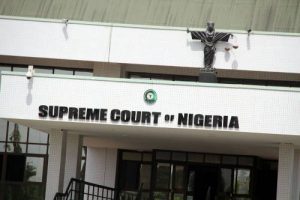
The Supreme Court of Nigeria has overturned the presidential pardon earlier granted to Maryam Sanda and reinstated the death sentence issued by the Federal Capital Territory High Court over the killing of her husband, Bilyaminu Bello, in 2017. The landmark ruling delivered on Monday has generated widespread conversations about the limits of executive powers, the authority of the judiciary and the broader implications for criminal justice in Nigeria.
The court described the earlier pardon as unconstitutional, stating that the process did not comply with the requirements set out in the Nigerian Constitution. According to the panel of justices, the presidential prerogative of mercy must follow specific procedures involving the Council of State and the Advisory Committee on Prerogative of Mercy. The court held that the steps taken in the Sanda case did not meet these standards and therefore could not stand.
The judgment restores the original decision of the FCT High Court, which in January 2020 convicted Sanda of killing her husband after a domestic dispute. The conviction was upheld by the Court of Appeal in 2022 before the controversial pardon was issued. The Supreme Court’s ruling now brings the legal battle to a close, reaffirming the finality of the judicial process.
The decision sparked immediate reactions across the country, with many Nigerians describing the ruling as a strong reinforcement of judicial independence. Lawyers and human rights advocates have acknowledged that the judgment clarifies the scope of executive power, particularly in matters involving serious offences such as homicide.
Some legal analysts opined that the ruling sends a clear message to political leaders that pardons cannot be issued arbitrarily or used to circumvent court verdicts that have gone through full legal scrutiny. Others affirmed that the outcome reflects a growing effort within the judiciary to protect the sanctity of the justice system, especially in high-profile murder cases that attract national attention.
On social media, the story swiftly gained traction, with Nigerians expressing mixed feelings. Many commenters commended the Supreme Court for what they described as a courageous and necessary decision. Others revisited the details of the original case, expressing sympathy for the victim’s family and calling the ruling a long-awaited moment of closure.
Meanwhile, human rights organisations called on the government to approach capital punishment cases with caution, following Nigeria’s ongoing debates about death penalties. Some groups also highlighted the importance of ensuring that all future pardons follow the constitutionally required process, irrespective of public interest or political pressure.
PHOTO NEWS
